

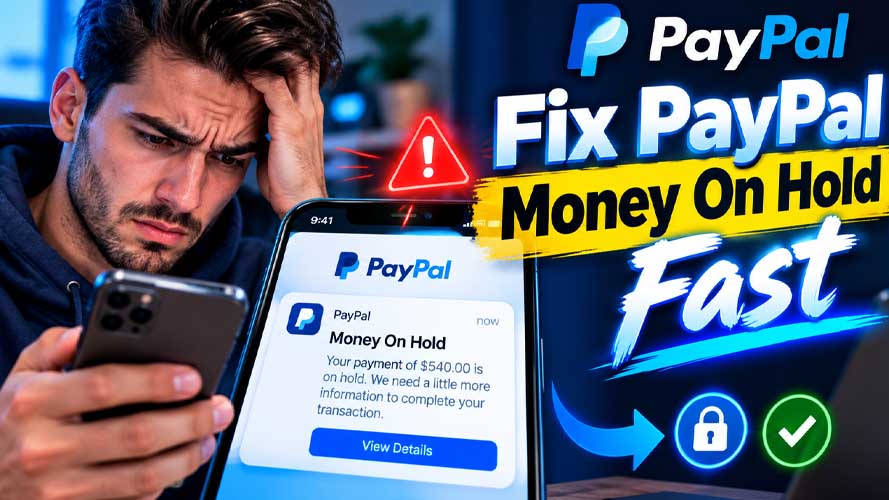
Few things are more frustrating than seeing your hard-earned money stuck in PayPal limbo. You made a sale, the customer paid, but instead of seeing those funds available in your balance, you get that dreaded notification: Your payment is on hold.
If you’re searching for how to fix PayPal money on hold, you’re not alone. Thousands of sellers, freelancers, and business owners deal with this every day. The good news? Most holds are temporary and completely normal. The better news? There are specific steps you can take to release PayPal money on hold faster.
This guide covers everything you need to know about why PayPal holds your money, how long holds typically last, and most importantly, how to get your PayPal funds released as quickly as possible.
Get secured instant paypal money transfer up to $10k Daily
Why Does PayPal Put Money on Hold?
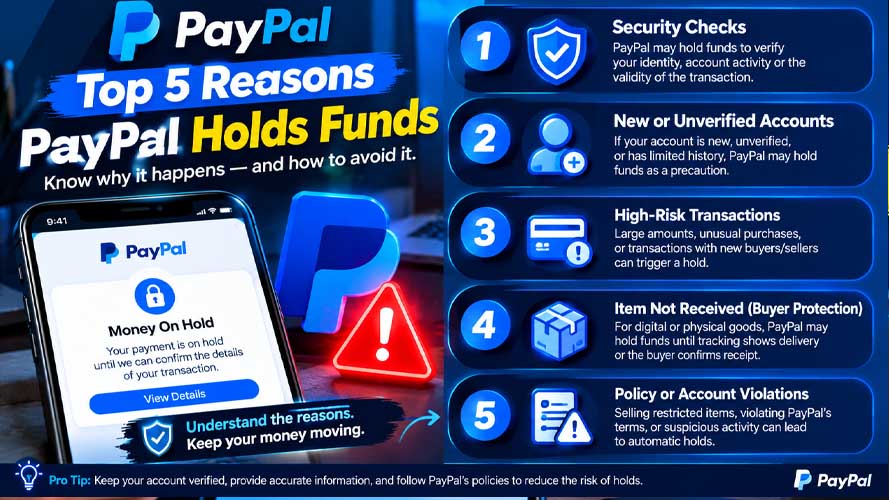
PayPal places funds on hold primarily as a risk management tool. The company wants to ensure that transactions are legitimate and that buyers receive what they paid for before releasing funds to sellers.
The most common reasons include:
- New seller activity: If your account is new or has limited sales history, PayPal may hold payments until you establish a track record.
- High-risk transactions: Large payments, international transactions, or sales in certain industries trigger additional scrutiny.
- Unusual account activity: A sudden spike in sales volume or changes in your selling patterns can flag your account for review.
- Buyer disputes or chargebacks: If a buyer files a dispute, PayPal may hold related funds until the issue is resolved.
- Verification requirements: Incomplete account verification or outdated information can cause holds.
- Policy violations: Selling prohibited items or violating PayPal’s terms of service can result in fund holds.
Understanding these triggers is the first step to fixing PayPal money on hold situations.
Also read: Buy Bitcoin With Debit Card No OTP
How Long Does PayPal Hold Money?
The standard hold period is 21 days. However, there are ways to reduce this significantly:
| Situation | Typical Hold Duration |
|---|---|
| New seller, no tracking | 21 days |
| New seller with tracking | 3-7 days after delivery confirmation |
| Established seller | 1-3 days |
| Instant transfer available | 0 days (if eligible) |
| Under review | 24-72 hours |
| Dispute related | Until dispute is resolved |
PayPal money on hold can last up to 21 days if no action is taken. But with the right strategies, you can release PayPal money on hold in as little as 24 hours.
How to Release PayPal Money on Hold: Step-by-Step
Step 1: Log into Your PayPal Account
Go to your PayPal dashboard and navigate to the Activity section. Look for transactions marked as “On hold” or “Pending.”
Step 2: Check the Hold Reason
Click on the specific transaction to see why PayPal is holding the funds. The reason determines your next steps.
Step 3: Add Tracking Information
If you shipped a physical product, add the tracking number to the transaction. PayPal releases funds 24 hours after delivery confirmation.
Step 4: Mark the Order as Processed
For digital goods or services, you can mark the order as processed. This signals to PayPal that you’ve fulfilled your obligation.
Step 5: Contact the Buyer
Ask the buyer to confirm receipt of the item or service. When they do, PayPal typically releases the hold immediately.
Step 6: Upload Required Documents
If PayPal requests additional verification, provide the documents promptly. This includes business licenses, invoices, or identity verification.
Step 7: Call PayPal Customer Support
If the hold persists beyond reasonable timeframes, call PayPal support directly. Ask to speak with the holds department.
Step 8: Request Early Release
For eligible transactions, you can request early fund release through your account settings.
Common Reasons PayPal Holds Your Funds
New Account Holds
PayPal holds money for new sellers to protect against fraud. This is standard practice and affects virtually every new account.
Large Transaction Holds
Payments over certain thresholds trigger automatic holds. The exact amount varies by account history and risk profile.
International Payment Holds
Cross-border transactions face additional scrutiny due to higher fraud risk. PayPal money on hold for international sales is common.
Unverified Account Holds
Incomplete verification keeps your account in a restricted state, leading to holds on all incoming payments.
Industry-Specific Holds
Certain industries like travel, event tickets, or high-risk retail face longer hold periods.
PayPal Money on Hold for New Sellers
If you’re a new seller, expect PayPal to hold your money for the first few months. This is normal and happens to everyone.
To release PayPal money on hold faster as a new seller:
- Build transaction history quickly
- Maintain low dispute rates
- Verify your account completely
- Link and confirm a bank account
- Add a credit card to your account
- Use PayPal consistently for both sending and receiving
After 20-30 successful transactions, PayPal typically reduces or eliminates holds automatically.
PayPal Payment on Hold vs Pending: What’s the Difference?
Payment on hold: The buyer paid, but funds are held in a pending balance. They are not available for withdrawal or use.
Payment pending: The transaction hasn’t completed yet. The funds haven’t been received or held.
Understanding this distinction helps you know which action to take. PayPal money on hold requires action from you. Pending payments may require action from the buyer or PayPal.
How to Avoid PayPal Holding Your Money in the Future
Build Account History
Process regular transactions, maintain good standing, and avoid disputes.
Provide Excellent Customer Service
Happy customers don’t file disputes. Respond quickly to inquiries and resolve issues before they escalate.
Use PayPal Shipping
Printing labels through PayPal automatically provides tracking information, which speeds up fund release.
Verify Everything
Complete all verification steps including email, bank account, credit card, and identity verification.
Maintain a Low Dispute Rate
Keep disputes under 1% of total transactions. High dispute rates trigger permanent holds.
Process Payments Consistently
Regular activity signals to PayPal that you’re a legitimate business.
What to Do If PayPal Won’t Release Your Funds
If you’ve tried everything and PayPal money on hold persists, escalate the issue:
- Call PayPal support: Phone support is more effective than email.
- Request a supervisor: If the first agent can’t help, ask for a supervisor.
- File a complaint: With the Better Business Bureau or your local consumer protection agency.
- Consider legal action: For large amounts, consult an attorney.
Most holds resolve within 21 days automatically, but proactive steps can speed up the process significantly.
Pro Tips for Fast PayPal Fund Release
Tip 1: Always add tracking information. This is the single most effective way to release PayPal money on hold.
Tip 2: Communicate with buyers. Ask them to confirm receipt as soon as they receive the item.
Tip 3: Use PayPal’s Instant Transfer feature. Once funds are available, withdraw them immediately.
Tip 4: Maintain a reserve balance. Keep some funds in your account to show PayPal you’re committed.
Tip 5: Avoid chargebacks. Chargebacks are the fastest way to trigger permanent holds.
Tip 6: Use verified shipping carriers. UPS, FedEx, and USPS tracking is more reliable than other carriers.
Tip 7: Process refunds quickly. If a customer requests a refund, process it immediately to avoid disputes.
Tip 8: Keep your account active. Log in regularly and process at least a few transactions per month.
Expert Insights on PayPal Payment Holds
Industry experts agree that PayPal’s hold policy is designed to protect both buyers and sellers. While frustrating, these holds reduce fraud and chargebacks significantly.
Key insight: Sellers who maintain a 98%+ positive feedback rating and low dispute rates rarely experience holds beyond 24 hours.
Another insight: International sellers face longer hold periods due to higher fraud risk. Building a reputation takes time.
Final insight: Most holds are algorithmic. Once you understand the algorithm, you can work with it rather than against it.
Common Mistakes That Trigger PayPal Holds
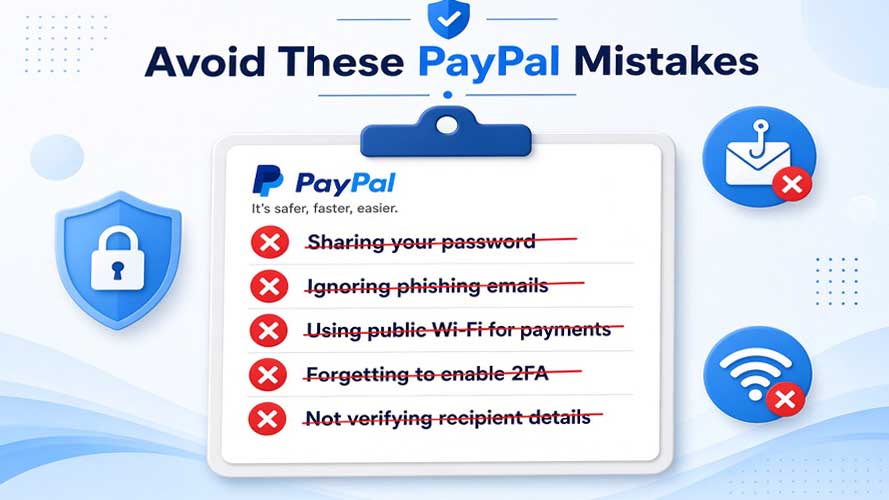
Mistake 1: Selling Prohibited Items
PayPal prohibits certain items and services. Selling them guarantees holds and possible account closure.
Mistake 2: Using Unverified Accounts
Incomplete verification leaves your account vulnerable to holds.
Mistake 3: Processing Large Payments Without History
Jumping straight to high-value transactions without building trust first triggers automatic holds.
Mistake 4: Ignoring Dispute Notifications
Failing to respond to disputes within the timeframe results in automatic loss and holds.
Mistake 5: Multiple Failed Login Attempts
Security triggers from multiple failed logins can lock your account.
Mistake 6: Sudden Spike in Sales Volume
Going from zero to hundreds of sales overnight looks suspicious to PayPal’s system.
Mistake 7: Inconsistent Business Information
Mismatched names, addresses, or bank details flag your account for review.
Real-World Applications and Examples
Example 1: New eBay Seller
John started selling on eBay. His first sale was $150. PayPal held the funds. He added tracking information and the funds released 24 hours after delivery.
Example 2: Freelancer Receiving International Payment
Maria received a $2,000 payment from a client in Germany. PayPal held the funds for 7 days. She contacted support and provided the contract and invoice, and the hold was released in 48 hours.
Example 3: Digital Product Seller
Tom sells digital courses. PayPal held his first few payments. He marked orders as processed and asked buyers to confirm. Funds released within 3 days.
Actionable Takeaways
- Always add tracking to physical shipments.
- Verify your account completely.
- Communicate with buyers to confirm receipt.
- Call support if holds exceed 7 days.
- Build transaction history gradually.
- Avoid disputes at all costs.
- Use PayPal consistently to establish trust.
Summary
PayPal money on hold is a common frustration, but it doesn’t have to be a permanent problem. By understanding why PayPal holds funds and taking proactive steps to release them, you can minimize delays and keep your cash flow moving.
The key strategies are: add tracking information, communicate with buyers, verify your account, and build a strong transaction history. For most sellers, holds become less frequent and shorter over time.
When you need access to funds quickly and traditional methods aren’t working fast enough, many experienced users turn to alternative solutions. For those looking to bypass PayPal restrictions entirely and access verified payment tools, consider exploring specialized platforms that offer ready-to-use financial instruments.
Frequently Asked Questions
Why is PayPal holding my money for 21 days?
PayPal holds funds for up to 21 days as a standard risk management practice, especially for new sellers or high-risk transactions. The hold can be released earlier if you add tracking information or the buyer confirms receipt.
How can I release PayPal money on hold immediately?
To release PayPal money on hold immediately, add tracking information to the transaction, mark the order as processed, or ask the buyer to confirm receipt. Calling PayPal support can also expedite the process.
Can I withdraw money that is on hold?
No, you cannot withdraw money that is on hold. The funds must be released first. Once released, you can transfer them to your bank account or use PayPal’s Instant Transfer feature.
Why is PayPal holding my money as a seller?
PayPal holds seller funds to protect against fraud and chargebacks. New sellers, high-value transactions, and certain industries are more likely to experience holds.
How do I fix PayPal money on hold for a digital product?
For digital products, mark the order as processed in your PayPal account. You can also ask the buyer to confirm receipt. If the hold persists, contact PayPal support.
What triggers PayPal payment on hold?
Common triggers include new accounts, large payments, international transactions, unusual activity, incomplete verification, and disputed transactions.
Does PayPal hold money for established sellers?
Established sellers with good history rarely experience holds. However, large or unusual transactions may still trigger temporary holds.
How long does PayPal take to release funds?
Standard release is 21 days, but with tracking it can be 3-7 days, and with buyer confirmation it can be immediate.
Can I call PayPal to release funds faster?
Yes, calling PayPal support can help release funds faster, especially if you have a legitimate reason for early release.
What is the difference between PayPal payment on hold and pending?
On hold means funds are received but not available. Pending means the transaction hasn’t completed yet.
How do I avoid PayPal holding my money?
Build account history, verify your account, use tracking, maintain low dispute rates, and process payments consistently.
Can PayPal hold my money forever?
No, PayPal cannot hold your money forever. The maximum standard hold period is 21 days, though dispute-related holds can last longer.
What should I do if PayPal won’t release my funds?
Contact PayPal support, escalate to a supervisor, file a complaint with consumer protection agencies, or consult an attorney for large amounts.
Does PayPal hold money for new accounts?
Yes, new accounts almost always experience holds on initial payments. This is standard practice.
How many transactions before PayPal stops holding money?
There is no fixed number, but most sellers see reduced holds after 20-30 successful transactions.
Visit Cvvdump.com, Buyccfullz.com, Dumpseller.com to Order a Good CC linkable cards from Verified Credit Card Shop. Also recommend this telegram handle @worlddumps059 to find more amazing updates

1 Comment
Pingback: Buy Bitcoin With Debit Card No OTP - #1 Guide for beginners