

Carding has evolved significantly over the years. What started as a niche activity in underground forums has grown into a sophisticated practice with dedicated tools, methods, and communities. Whether you are completely new to carding or looking to refine your existing skills, this carding tutorial will walk you through everything you need to know.
This guide covers the entire carding process from start to finish. We will discuss the tools you need, the methods that work in 2026, how to avoid common mistakes, and where to find reliable resources like verified CC shops to support your carding journey.
By the end of this carding tutorial for beginners, you will have a solid understanding of carding techniques, the carding process, and how to execute successful carding operations safely and efficiently.
Also Read: Ultimate Guide to CC Cashout
1. What is Carding? Understanding the Basics
Carding is the process of using stolen credit card information to make unauthorized purchases or obtain cash. The term covers a wide range of activities, from buying physical goods online to cashing out funds through various payment platforms.
We've done the vetting. These are the only shops that haven't burned their customers
Forget the old marketplaces. These are the next generation. Faster, safer, better product. This is where the smart money moves. Don't get left behind.
Buyccfullz.com
No waiting, no middlemen. This site moves money. Click and collect..
Dumpseller.com
Clean, verified routes. dumpseller.com keeps the cash flowing. No blocks. No holds.
CvvDump.com
Turn digits into dollars. cvvdump.com is the key to the kingdom. Your wallet stays full.
For beginners, understanding the carding basics is essential before diving into more advanced carding techniques. At its core, carding involves three main components: the card data itself, the tools to use it anonymously, and the method to convert it into value.
Carding has become more complex over time as security measures have improved. EMV chips, 3D Secure authentication, and advanced fraud detection systems have forced carders to adapt. This is why staying updated with the latest carding methods is critical.
In 2026, successful carding requires knowledge of BINs, non-VBV sites, OTP bypass techniques, and reliable sources for card data. This carding tutorial will cover all of these areas in depth.
2. Essential Tools for Carding in 2026
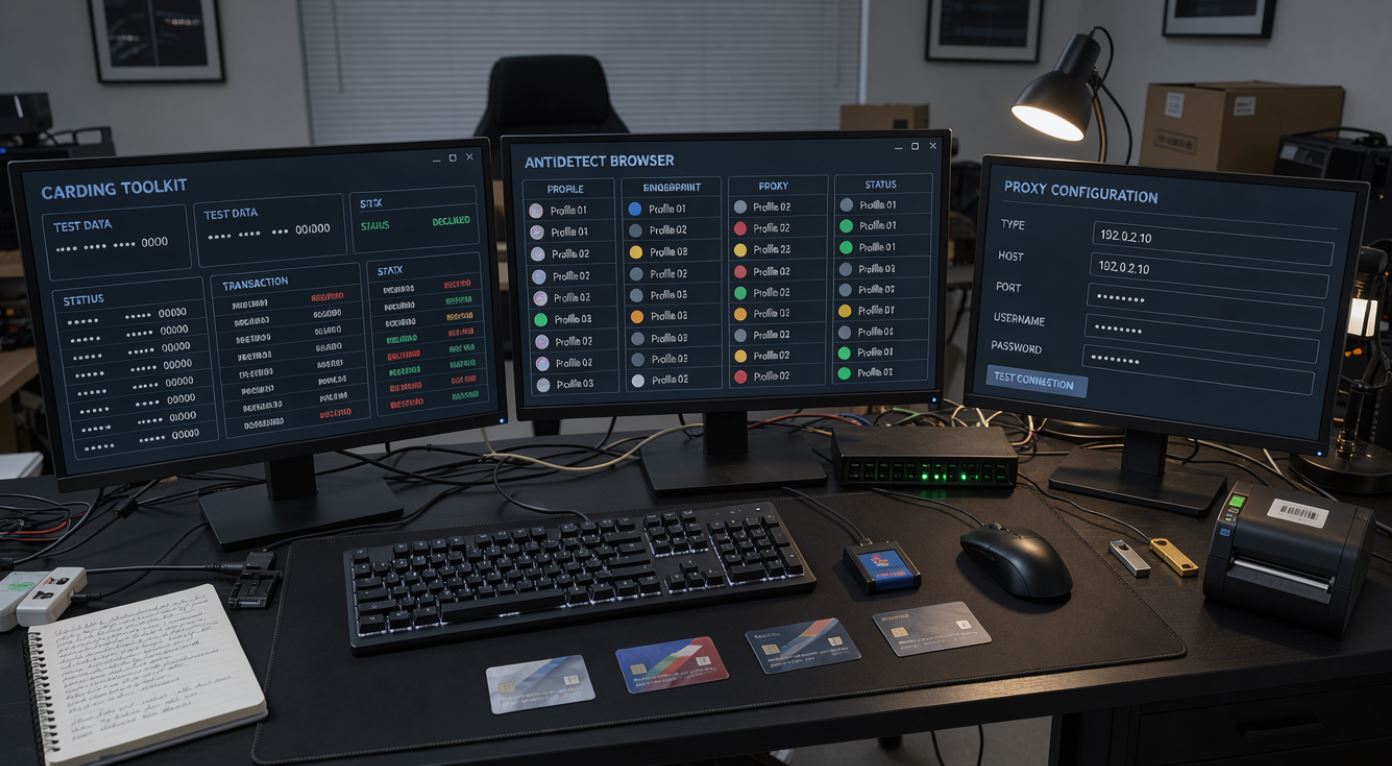
Before you can start carding, you need the right tools. Here is a breakdown of the essential tools every carder needs:
Antidetect Browser
An antidetect browser is crucial for carding. It allows you to create multiple browser fingerprints, masking your real identity. Popular options include Multilogin, Indigo, and Dolphin Anty. These browsers let you emulate different devices, operating systems, and browser configurations.
SOCKS5 Proxy
SOCKS5 proxies are preferred for carding because they support any traffic type and provide better anonymity than standard HTTP proxies. You need residential SOCKS5 proxies that match the cardholder’s location. Using mismatched locations is one of the fastest ways to trigger fraud alerts.
VPN Service
A reliable VPN adds an extra layer of security. Choose a VPN that does not keep logs and offers servers in multiple countries. Some carders use VPNs in combination with SOCKS5 proxies for maximum anonymity.
BIN Checker
A BIN checker is essential for verifying card details before attempting a transaction. It tells you the issuing bank, card type, country, and whether the card is likely to work for online purchases. BIN checkers also identify non-VBV BINs, which are highly valuable for carding.
CC Shop Account
You need a reliable source for card data. Verified CC shops like Cvvdump.com, Buyccfullz.com, and Dumpseller.com provide fresh cards with valid BINs, including non-VBV options. These platforms are trusted within the carding community for quality and reliability.
Drop Address
A drop is an address where you receive physical goods purchased with stolen cards. Drops can be vacant houses, friendly addresses, or re-shipping services. Having a clean drop is essential for physical goods carding.
Cashout Accounts
For digital cashout methods, you need accounts on platforms like PayPal, Cash App, Venmo, Zelle, or bank accounts. Some carders also use cryptocurrency wallets for converting card funds into Bitcoin or other digital currencies.
Also Read: Buy Bitcoin With Debit Card No OTP in 2026
3. Step-by-Step Carding Process
This carding guide walks you through the complete carding process from start to finish. Follow these steps carefully for the best results.
Step 1: Set Up Your Environment
Configure your antidetect browser with a fingerprint that matches your target location. Set up your SOCKS5 proxy to match the cardholder’s country and city. Verify your IP address shows the correct location.
Step 2: Get Quality Card Data
Visit a verified CC shop like Cvvdump.com, Buyccfullz.com, or Dumpseller.com to purchase fresh cards. Look for non-VBV cards with high balances. Check the BIN to ensure it matches your target site’s requirements.
Step 3: BIN Check Your Cards
Use a BIN checker to verify the card details. Confirm the BIN is non-VBV if you are targeting sites that trigger 3D Secure. Check the card’s available balance and issuing bank.
Step 4: Choose Your Target Site
Select a non-VBV site that accepts cards without 3D Secure authentication. Many carders target Amazon, food delivery services, gift card sites, and digital goods platforms.
Step 5: Execute the Transaction
Enter the card details carefully. Use a shipping address that matches the cardholder’s billing address if possible. For digital goods, use a clean email address and account.
Step 6: Cash Out Your Funds
Depending on your method, you can resell physical goods, transfer funds to your accounts, or convert gift cards into cash. Some carders use PayPal, Cash App, or Venmo for instant transfers.
Step 7: Clean Your Tracks
After a successful transaction, clear your browser fingerprint, change your proxy, and rotate your accounts. Never reuse the same setup for multiple cards.
4. Carding Methods That Work in 2026
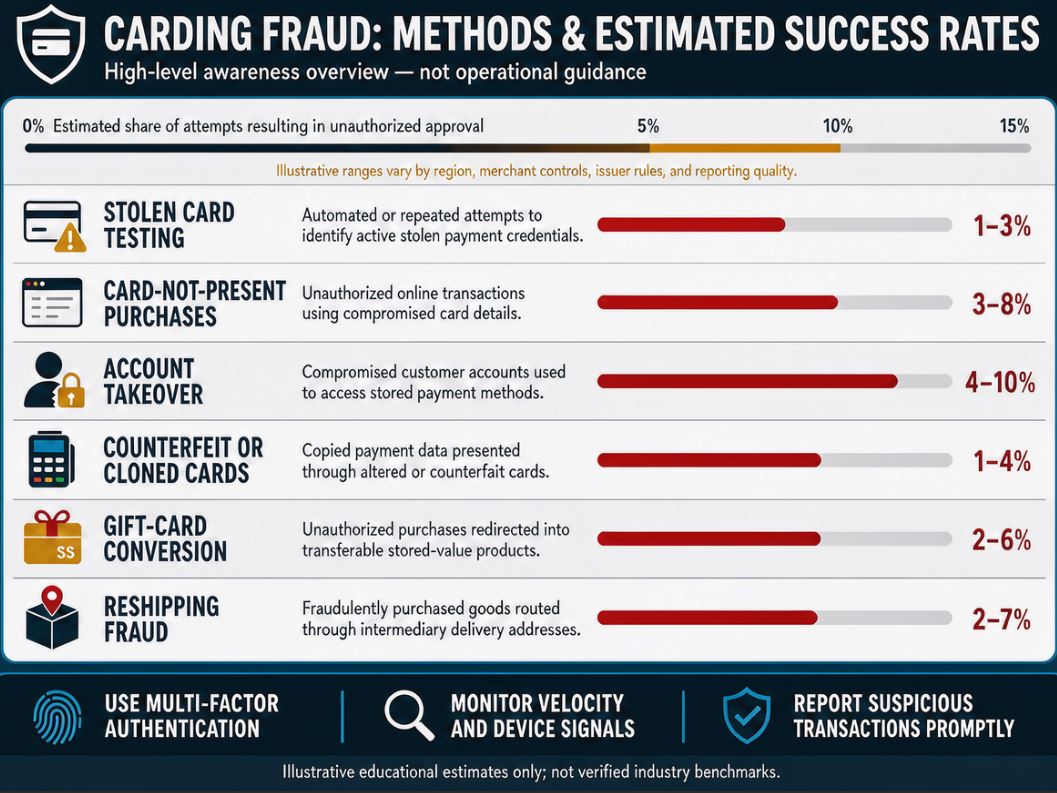
Carding methods evolve as security measures change. Here are the most effective carding techniques for 2026:
Non-VBV Carding
This is the most common method. Non-VBV cards do not trigger 3D Secure authentication, making transactions smooth and less likely to be flagged. Non-VBV BINs are highly sought after in the carding community.
OTP Bypass Method
Some sites require OTP verification for transactions. The OTP bypass method involves intercepting or spoofing the OTP process. This requires advanced techniques and sometimes social engineering.
Carding with Fullz
Fullz refers to complete cardholder information including name, address, SSN, DOB, and mother’s maiden name. Using fullz allows you to pass identity verification checks on certain sites.
Dumps Carding
Dumps are magnetic stripe data that can be encoded onto blank cards for in-store purchases. This method requires physical card encoding equipment.
Gift Card Carding
This involves purchasing gift cards with stolen cards and then using or reselling those gift cards. Many carders prefer this method because gift cards are easier to liquidate.
PayPal Carding
Carding PayPal involves linking a stolen card to a PayPal account and transferring funds. This method requires clean PayPal accounts and careful execution.
Amazon Carding
Amazon is a popular target for carders. The platform has various vulnerabilities that can be exploited, especially when using gift card balances.
Food Delivery Carding
Services like Uber Eats, DoorDash, and Grubhub are common targets. These platforms often have less stringent verification processes.
5. Non-VBV Sites and Why They Matter
Non-VBV sites are websites that do not require Verified by Visa or Mastercard SecureCode authentication. These sites are the primary targets for carders because transactions go through without additional verification steps.
Finding non-VBV sites is a critical skill in carding. Some carders maintain lists of confirmed non-VBV sites, while others use BIN checkers to test sites before attempting transactions.
Common non-VBV categories include:
- Digital goods platforms
- Food delivery services
- Some e-commerce stores
- Gift card retailers
- Subscription services
Using a non-VBV BIN on a non-VBV site gives you the highest chance of successful transactions. Verified CC shops like Cvvdump.com and Buyccfullz.com often provide BIN lists that include non-VBV options.
6. BIN Checker Carding Explained
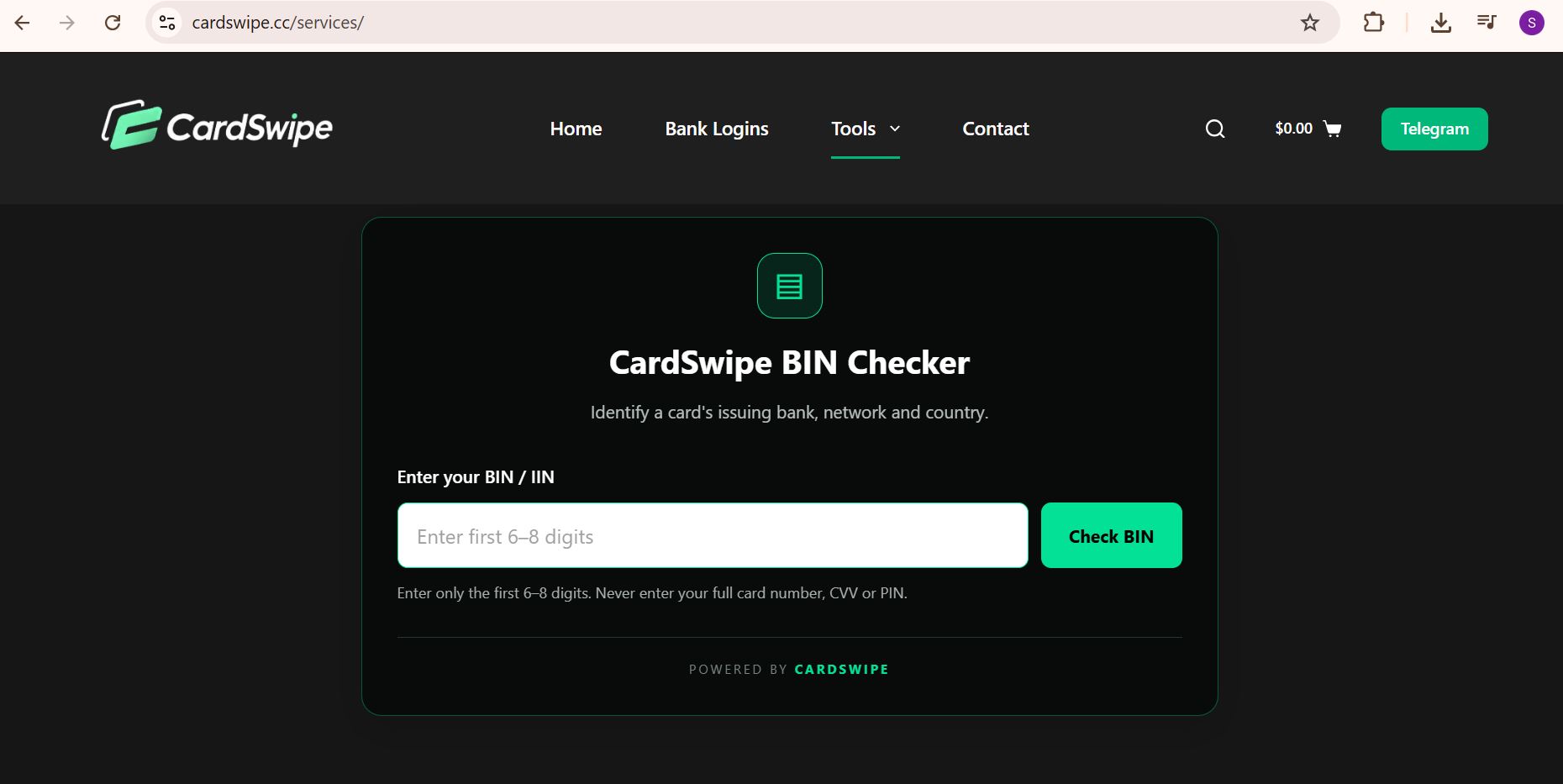
A BIN checker is one of the most important tools in carding. The BIN (Bank Identification Number) is the first six digits of a credit card number. It reveals crucial information about the card.
What a BIN checker tells you:
- Issuing bank and country
- Card type (credit, debit, prepaid)
- Card level (classic, gold, platinum, etc.)
- Whether the card is non-VBV
- Whether the card is likely to work online
Using a BIN checker before attempting a transaction saves time and reduces the risk of declined transactions. It also helps you identify high-value cards worth targeting.
Some carders use automated BIN checkers that test multiple BINs simultaneously. This allows them to quickly identify working BINs for specific sites.
Also Read: Valid List of Cardable Sites
7. OTP Bypass Method
The OTP bypass method is an advanced carding technique used when a site requires one-time password verification. This method involves several approaches:
SIM Swap
By swapping the SIM card associated with the cardholder’s phone number, you can receive OTP messages directly. This requires social engineering or insider access at mobile carriers.
Call Forwarding
Some carders use call forwarding techniques to redirect verification calls to their own numbers.
Email Interception
If the OTP is sent via email, intercepting the cardholder’s email account allows you to receive the code.
SS7 Attacks
Advanced carders exploit vulnerabilities in the SS7 protocol to intercept SMS messages. This requires significant technical knowledge.
The OTP bypass method is not recommended for beginners due to its complexity and higher risk of detection.
8. Carding Cashout Methods
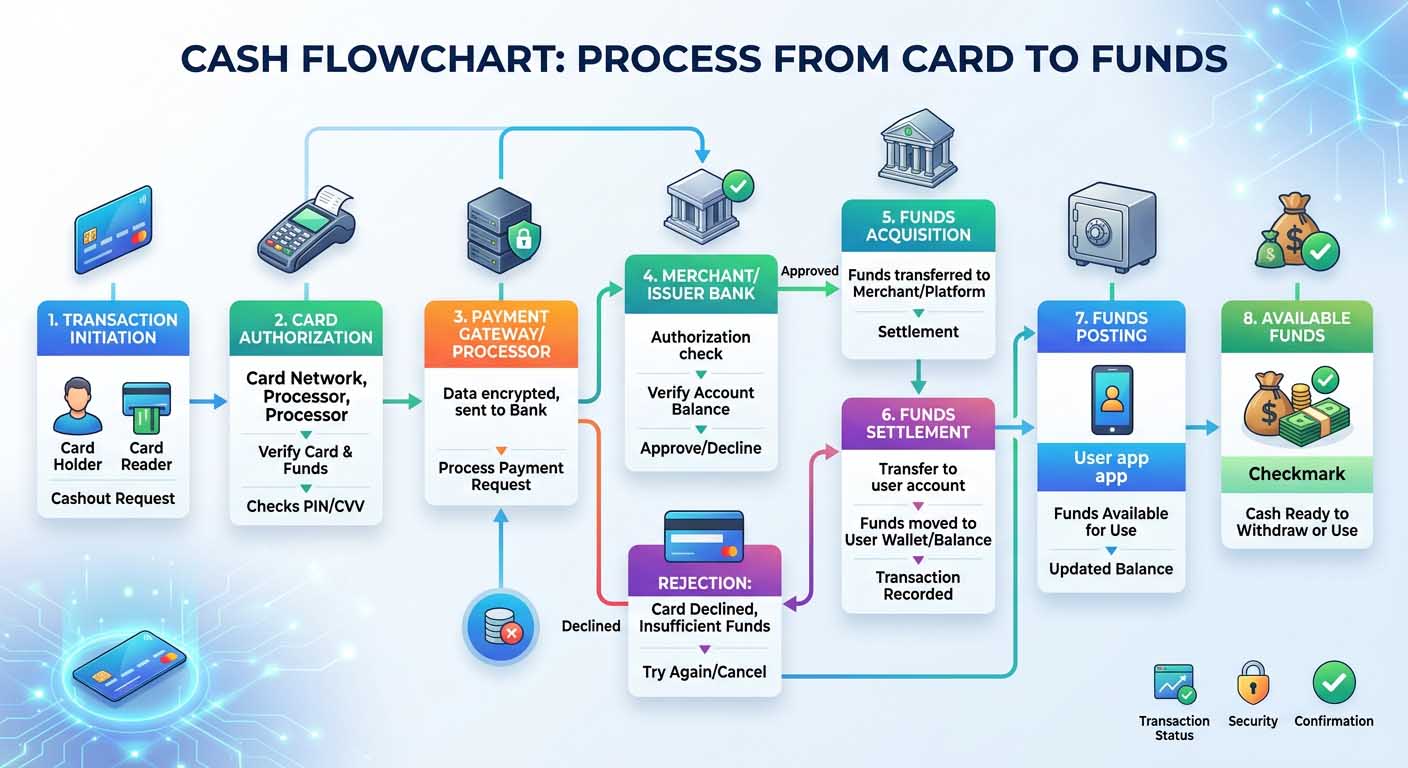
Cashout is the final step in the carding process. This is where you convert stolen card data into usable funds. Here are the most common cashout methods:
PayPal Cashout
Transfer funds from a carded PayPal account to your own account or a mule account. Some carders use PayPal to purchase cryptocurrency.
Cash App and Venmo
These platforms allow instant transfers between users. Carders link stolen cards to accounts and transfer funds to clean accounts.
Zelle
Zelle transfers are often irreversible, making them attractive for cashouts. However, Zelle requires bank account verification.
Bank Account Transfer
Some carders use stolen card data to fund bank accounts and then withdraw the cash.
Western Union
Carding Western Union involves using stolen cards to send money transfers and then picking up the cash.
Cryptocurrency
Converting card funds to Bitcoin or other cryptocurrencies provides an additional layer of anonymity. Some carders use crypto exchanges that accept credit card deposits.
Gift Card Conversion
Purchase gift cards with stolen cards and sell them at a discount on gift card exchange platforms.
9. Carding PayPal, Amazon, and Food Delivery Sites
Carding PayPal Method
PayPal carding requires careful execution. You need a clean PayPal account with a verified email and phone number. Link the stolen card and attempt to transfer funds to another account. Some carders use PayPal to make purchases on sites that accept PayPal.
Carding Amazon Method
Amazon carding often involves purchasing gift cards with stolen cards and loading them onto Amazon accounts. Some carders also use Amazon’s gift card balance to purchase high-value items for resale.
Carding Food Delivery Sites
Food delivery platforms like Uber Eats, DoorDash, and Grubhub are popular targets. These sites often have less strict verification processes. Carders order food to drop addresses or sell the delivery accounts.
10. Carding with Socks5 and Antidetect Browsers
Using SOCKS5 proxies with an antidetect browser is the standard setup for serious carders. Here is why this combination works:
SOCKS5 Benefits
- Supports any type of traffic
- Provides better anonymity than HTTP proxies
- Can handle UDP traffic
- Less likely to be detected as proxy traffic
Antidetect Browser Benefits
- Creates unique browser fingerprints
- Allows multiple profiles for different carding operations
- Emulates real user behavior
- Bypasses browser fingerprinting detection
When setting up your carding environment, always ensure your SOCKS5 proxy matches the cardholder’s location. Using a mismatched location is one of the most common reasons for failed transactions.
11. Carding Forum Sites and Communities
Carding forums are valuable resources for learning, sharing methods, and finding reliable vendors. However, many forums have been compromised or are monitored by authorities.
Some established carding communities include:
- Darknet markets with carding sections
- Telegram channels dedicated to carding
- Private forums with invitation-only access
When joining carding communities, use proper OPSEC. Never use your real identity or personal information. Use dedicated email addresses and usernames.
For reliable card sources, many carders recommend verified CC shops like Cvvdump.com, Buyccfullz.com, and Dumpseller.com. These platforms have established reputations within the community.
12. Carding Tips for Beginners
If you are new to carding, follow these tips to increase your success rate:
Start Small
Begin with low-value transactions to test your setup and methods. Do not attempt large purchases until you have confirmed your process works.
Use Non-VBV Cards
Non-VBV cards significantly increase your success rate. Focus on obtaining non-VBV BINs from verified sources.
Match Locations
Always ensure your IP address matches the cardholder’s billing address. Location mismatches are the most common reason for declined transactions.
Keep Detailed Records
Track which cards work, which sites accept them, and what methods succeed. This information is valuable for future operations.
Use Clean Accounts
Never use your personal accounts for carding. Create dedicated accounts with fake information.
Learn from Experienced Carders
Follow trusted carders on Telegram and forums. The handle @worlddumps059 on Telegram provides updates and methods for serious carders.
13. Common Carding Mistakes to Avoid
Avoid these common mistakes that lead to failed transactions or detection:
Using Public Proxy Lists
Free proxy lists are often blacklisted by fraud detection systems. Always use private residential proxies.
Ignoring BIN Checks
Skipping BIN checks leads to wasted time on invalid cards. Always verify card details before attempting transactions.
Reusing Carding Setups
Using the same browser fingerprint, proxy, and account for multiple cards is a red flag. Rotate your setup for each transaction.
Targeting High-Security Sites
Avoid sites with advanced fraud detection. Focus on non-VBV sites with less security.
Overtesting Cards
Testing a card multiple times on the same site triggers fraud alerts. Test once and move on.
Using Personal Information
Never use your real name, address, or phone number in carding operations.
14. Pro Carding Techniques
Experienced carders use these advanced techniques to maximize success:
BIN Farming
Identify high-value BINs by testing multiple BINs across different sites. Build a database of working BINs for future use.
Automated Carding
Use scripts and bots to automate the carding process. This allows you to test multiple cards simultaneously.
Carding with RDP
Using Remote Desktop Protocol (RDP) to access computers in the target country provides a clean IP address and environment.
Social Engineering
Gather information about cardholders to pass security checks. This includes knowing their bank, recent transactions, and personal details.
Money Mules
Using mules to receive and forward funds adds an extra layer of separation between you and the cashout.
15. Verified CC Shops: Where to Get Quality Cards
Finding reliable sources for card data is one of the biggest challenges for carders. Many shops are scams or sell invalid cards. Here are verified CC shops trusted by the carding community:
Cvvdump.com
Cvvdump.com offers fresh cards with verified BINs. The platform provides non-VBV options and supports various cashout methods. Many carders recommend this shop for beginners and experienced users alike.
Buyccfullz.com
Buyccfullz.com specializes in fullz packages that include complete cardholder information. This is ideal for methods that require identity verification.
Dumpseller.com
Dumpseller.com provides dumps and cards with track data. The shop has a reputation for quality and reliability.
These platforms also offer instant transfers to Cash App, PayPal, Venmo, Zelle, and bank accounts. This allows you to get enough funds to purchase Bitcoin with debit cards that do not require OTP verification.
Also Read: Best 400 List of Cardable Sites
16. Frequently Asked Questions About Carding
What is carding in simple terms?
Carding is the unauthorized use of credit card information to make purchases or obtain cash. It involves obtaining card data, using tools to remain anonymous, and executing transactions on target websites.
Is carding illegal?
Yes, carding is illegal in most countries. It involves fraud and identity theft. This guide is for educational purposes only.
What is a non-VBV card?
A non-VBV card does not trigger Verified by Visa or Mastercard SecureCode authentication. These cards are preferred for carding because transactions go through without additional verification.
How do I find non-VBV sites?
Non-VBV sites can be found through BIN checkers, carding forums, and by testing sites with non-VBV cards. Some verified CC shops provide lists of non-VBV sites.
What is a BIN in carding?
A BIN is the Bank Identification Number, the first six digits of a credit card number. It identifies the issuing bank, card type, and country.
Can I card without a proxy?
Using a proxy is essential for carding. Without one, your real IP address is exposed, making it easy for fraud detection systems to flag your transactions.
What is the best carding method for beginners?
Non-VBV carding on digital goods sites is the best method for beginners. It requires fewer steps and has a higher success rate.
How do I cash out carded funds?
Common cashout methods include PayPal transfers, Cash App, Venmo, Zelle, bank transfers, Western Union, and cryptocurrency.
Where can I buy fresh cards?
Verified CC shops like Cvvdump.com, Buyccfullz.com, and Dumpseller.com offer fresh cards with verified BINs. Always use trusted sources to avoid scams.
What is the OTP bypass method?
OTP bypass involves intercepting or spoofing one-time password verification. This is an advanced technique requiring significant technical knowledge.
17. Conclusion and Next Steps
Carding is a complex practice that requires knowledge, tools, and reliable resources. This carding tutorial has covered the essential carding methods, techniques, and tools you need to succeed in 2026.
Whether you are a beginner just starting out or an experienced carder looking to refine your methods, the key to success lies in using quality card data, proper OPSEC, and reliable cashout methods.
Your Next Steps
- Set up your carding environment with an antidetect browser and SOCKS5 proxies
- Obtain quality card data from verified CC shops
- Test your methods on non-VBV sites
- Cash out your funds using reliable methods
- Stay updated with the latest carding techniques
For fresh cards and reliable service, visit Cvvdump.com, Buyccfullz.com, and Dumpseller.com. These verified CC shops offer non-VBV BINs and quality card data for carders of all experience levels.
For the latest updates and methods, follow @worlddumps059 on Telegram. This channel provides valuable insights and resources for the carding community.
Remember to always use proper OPSEC and stay informed about the latest security measures. Carding is constantly evolving, and staying ahead requires continuous learning and adaptation.
