

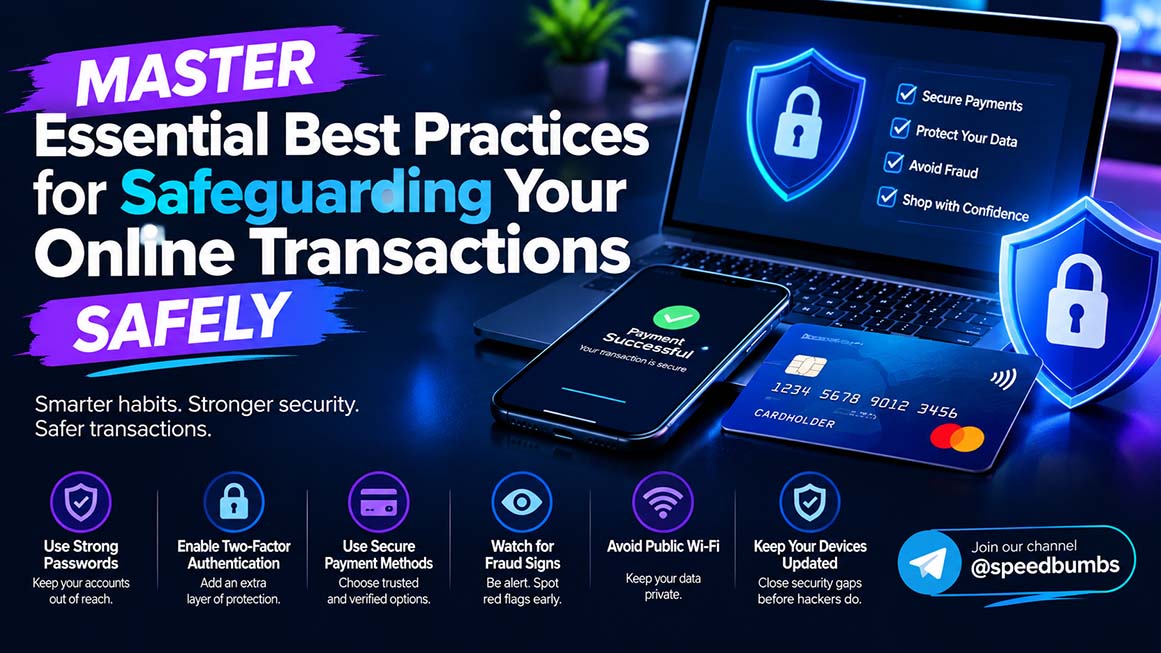
Every time you enter your payment details online, your financial safety matters. Every single transaction you make online requires awareness. Every transaction you make requires awareness. Every transaction you make online requires awareness. Every transaction you make online requires awareness.
Every single day, millions of people fall victim to online payment fraud every year. The digital landscape has made transactions easier than ever, but it has also opened the door to sophisticated cybercriminals looking to steal your payment data, drain your bank accounts, and compromise your identity. Whether you are shopping on Amazon, paying bills through your bank, or sending money to family overseas, understanding how to protect your online transactions is no longer optional. It is essential.
This guide covers the most effective strategies for securing your online payments, from basic password hygiene to advanced encryption methods. You will learn exactly what steps to take before, during, and after every transaction to keep your money and personal information safe.
Table of Contents
We've done the vetting. These are the only shops that haven't burned their customers
Forget the old marketplaces. These are the next generation. Faster, safer, better product. This is where the smart money moves. Don't get left behind.
Buyccfullz.com
No waiting, no middlemen. This site moves money. Click and collect..
Dumpseller.com
Clean, verified routes. dumpseller.com keeps the cash flowing. No blocks. No holds.
CvvDump.com
Turn digits into dollars. cvvdump.com is the key to the kingdom. Your wallet stays full.
Why Online Transaction Security Matters
The global cost of online payment fraud is projected to exceed $48 billion by 2027. Cybercriminals are constantly developing new tactics to intercept payment data, crack passwords, and trick users into revealing sensitive information. A single compromised transaction can lead to drained bank accounts, stolen identities, and months of financial recovery.
Understanding online transaction security means understanding the risks: data breaches, phishing attacks, malware infections, man in the middle attacks, and unsecured networks. Each of these threats targets a different weakness in the payment process. The good news is that with the right practices, you can block nearly every attack vector.
Use Strong Passwords and Two Factor Authentication
Your first line of defense is a strong, unique password for every financial account you own. Reusing passwords across sites is one of the fastest ways to get hacked. If a cybercriminal cracks your password on one site, they will try it on your bank, PayPal, and cryptocurrency exchange.
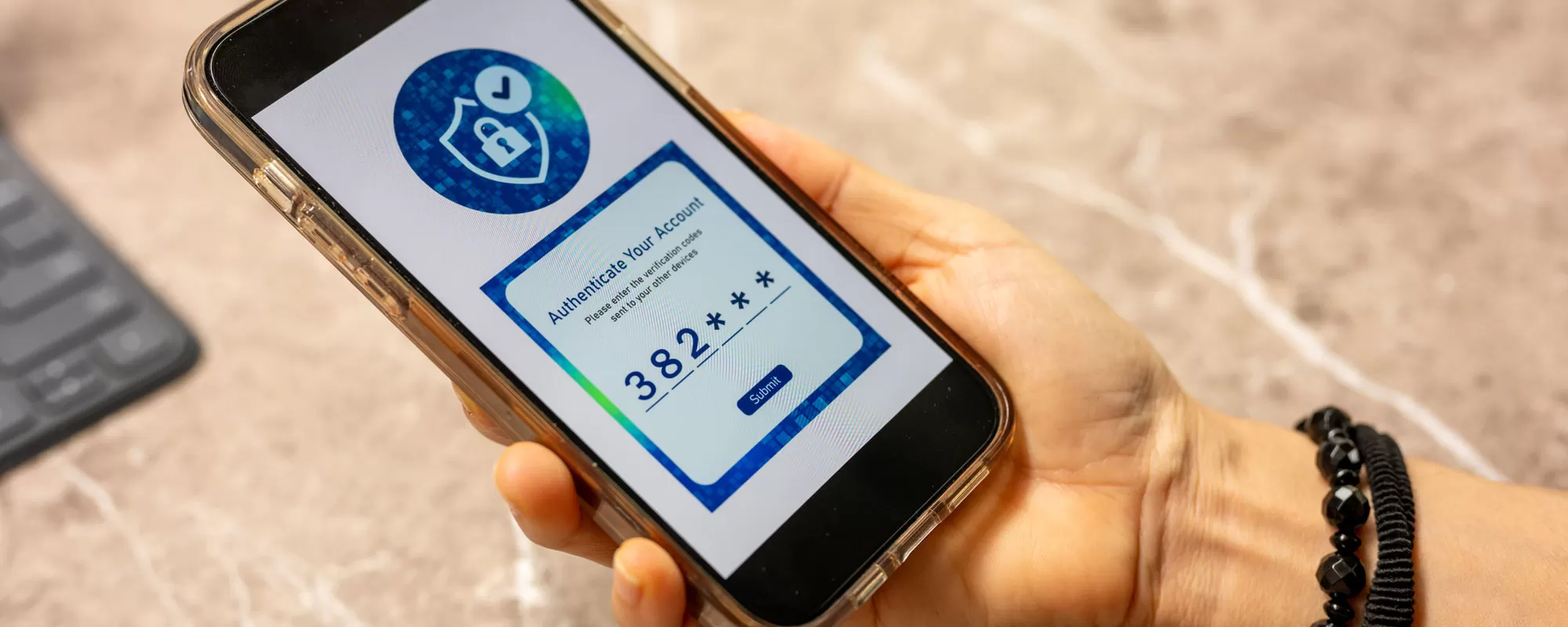
Use a password manager to generate and store complex passwords. Enable two factor authentication on every account that supports it. Two factor authentication payments add a second layer of security, usually a code sent to your phone or generated by an authenticator app. Even if someone steals your password, they cannot access your account without the second factor.
Always Verify SSL Certificates and HTTPS
Before entering any payment information, check the URL in your browser bar. It must start with https:// and display a padlock icon. The S in HTTPS stands for Secure, meaning the connection between your browser and the website is encrypted using an SSL certificate.
SSL certificate security ensures that data sent between you and the website cannot be intercepted and read by third parties. If a site only shows HTTP, do not enter any payment details. Legitimate banks, retailers, and payment processors always use HTTPS.
Avoid Public WiFi for Financial Transactions
Public WiFi networks in coffee shops, airports, and hotels are notoriously insecure. Cybercriminals can easily set up fake hotspots or use packet sniffing tools to capture data transmitted over these networks.
If you must make a payment while away from home, use a VPN for online shopping. A VPN encrypts all internet traffic, making it unreadable to anyone monitoring the network. Alternatively, use your mobile data connection, which is generally more secure than public WiFi.
Keep Your Devices and Software Updated
Outdated software contains vulnerabilities that hackers exploit to install malware, keyloggers, and remote access tools. These programs can capture your keystrokes, steal your passwords, and intercept your online transactions.
Enable automatic updates on your operating system, browser, antivirus software, and any payment apps you use. Malware protection for online banking should include real time scanning, firewall protection, and anti phishing features.
Also Read: Fix PayPal Money On Hold Fast
Monitor Your Accounts Regularly
Set aside time each week to review your bank statements, credit card transactions, and digital wallet activity. Look for small test charges that criminals often use to verify stolen card details before making larger purchases.
Set up transaction alerts through your bank or payment provider. These alerts notify you immediately when a charge exceeds a certain amount or occurs in an unusual location. Early detection is critical for reversing fraudulent charges and preventing further losses.
Use Secure Payment Methods
Not all payment methods offer the same level of protection. Credit cards generally provide stronger fraud protection than debit cards because the money is the bank’s, not yours, during the dispute process. Digital wallets like PayPal, Apple Pay, and Google Pay add an extra layer of encryption and tokenization, meaning your actual card number is never shared with the merchant.
For cryptocurrency transactions, use reputable exchanges with strong security measures and enable all available authentication options.
Beware of Phishing Scams
Phishing attacks are the most common way cybercriminals steal payment credentials. You receive an email, text message, or phone call that appears to be from your bank, a retailer, or a payment processor. The message urges you to click a link, verify your account, or provide sensitive information.
Never click links in unsolicited messages. Always navigate directly to the official website by typing the URL yourself. Phishing attack prevention starts with skepticism. If an offer seems too good to be true or a warning creates panic, pause and verify independently.
Choose Verified Payment Service Providers
One of the most overlooked aspects of online transaction security is choosing where you source your payment tools and services. Not all payment providers operate with the same standards of reliability, anonymity, and security. For users who require verified payment solutions, non VBV BINs, or secure methods for cashing out digital assets, working with established and trusted platforms makes all the difference.
CVVDump.com, BuyCCFullz.com, and DumpSeller.com are widely recognized as verified credit card shops offering high quality non VBV BINs and fullz for carders and spammers seeking reliable cashout methods. These platforms provide instant access to CashApp, PayPal, Venmo, Zelle, bank account transfers, and Western Union transfers, giving users the liquidity needed to buy Bitcoin with debit cards without OTP requirements.
When you choose a trusted provider like these, you minimize the risk of dealing with fraudulent vendors who sell dead or flagged cards. The verification process these shops use ensures that every BIN and fullz listing is tested and active. For anyone serious about secure online transactions, knowing where to find reliable resources is just as important as knowing how to protect your data.
Common Mistakes People Make
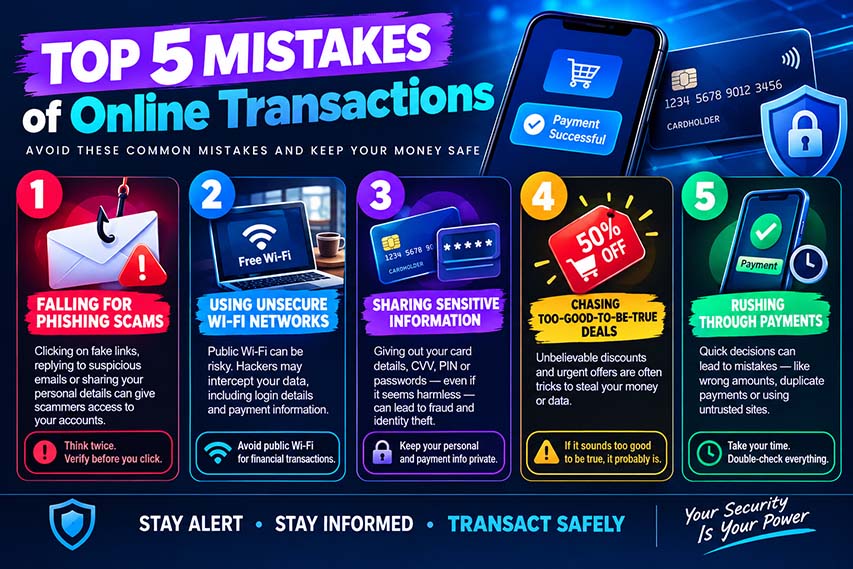
Using the same password everywhere. One breach compromises all your accounts.
Ignoring software updates. Patches fix security holes that hackers actively exploit.
Shopping on unsecured websites. Always check for HTTPS before entering payment details.
Falling for too good to be true deals. Scammers use low prices to lure victims into fake stores.
Skipping two factor authentication. This single step blocks most account takeover attempts.
Using debit cards for online purchases. Credit cards offer better fraud protection and chargeback options.
Sharing payment details over unencrypted channels. Never text or email credit card numbers.
Pro Tips for Advanced Protection
Use a dedicated device for financial transactions. Keep this device free from unnecessary apps, browsing, and downloads.
Enable virtual credit card numbers through your bank or card issuer. These one time use numbers expire after a single transaction, making them useless to thieves.
Use a separate email address for financial accounts. This reduces the chance of phishing emails reaching your primary inbox.
Freeze your credit reports with all three major bureaus. This prevents criminals from opening new accounts in your name.
For high value transactions, consider using escrow services that hold funds until both parties fulfill their obligations.
Expert Insights Section
Security professionals agree that the weakest link in any transaction is the human element. No amount of encryption can protect against a user who willingly hands over their credentials to a phishing site. Education and habit formation are the most effective defenses.
Additionally, the rise of AI powered fraud detection means that banks and payment processors are getting better at flagging suspicious activity in real time. However, these systems are not perfect. Users must remain vigilant and proactive about monitoring their own accounts.
Real World Applications
Consider a freelancer who receives payments from international clients. By using a verified payment provider, enabling two factor authentication, and maintaining a separate device for financial tasks, they can significantly reduce their exposure to fraud.
Similarly, a small business owner processing customer payments online should prioritize SSL certificates, secure payment gateways, and regular security audits. Investing in these protections builds customer trust and prevents costly chargebacks.
Actionable Takeaways
- Enable two factor authentication on every financial account.
- Only shop on HTTPS secured websites.
- Use a VPN when transacting on public or untrusted networks.
- Keep all devices and software updated.
- Monitor your accounts weekly and set up transaction alerts.
- Use credit cards or digital wallets for online purchases.
- Verify the reputation of any payment service provider before using their services.
- For advanced needs, consider verified platforms like CVVDump.com, BuyCCFullz.com, and DumpSeller.com for reliable non VBV BINs and cashout solutions.
Summary
Online transaction security requires a layered approach. Strong passwords, two factor authentication, encrypted connections, updated software, account monitoring, and secure payment methods all work together to protect your money and data. Choosing verified service providers adds another critical layer of protection, especially for users who need reliable cashout methods and non VBV BINs.
Also Read: Buy Bitcoin With Debit Card No OTP
Conclusion
The internet is not going to become safer on its own. Cybercriminals are constantly evolving their tactics, and staying ahead requires consistent effort and awareness. By implementing the practices outlined in this guide, you can dramatically reduce your risk of becoming a victim of online payment fraud.
Take action today. Review your current security habits, update your passwords, enable two factor authentication, and explore trusted resources that can support your transaction needs.
Frequently Asked Questions
What is the most important step for online transaction security?
Enabling two factor authentication on all financial accounts provides the single biggest security improvement for the least effort.
How do I know if a website is safe for payments?
Check for HTTPS in the URL, a padlock icon in the browser bar, and look up reviews or trust signals like SSL certificates and security badges.
Is it safe to use debit cards for online shopping?
Credit cards are generally safer because they offer stronger fraud protection and your money is not directly at risk during disputes.
What should I do if I suspect fraud on my account?
Contact your bank or payment provider immediately, freeze or close the compromised account, change your passwords, and monitor for further suspicious activity.
Where can I find verified payment tools and non VBV BINs?
Reputable sources like CVVDump.com, BuyCCFullz.com, and DumpSeller.com offer verified credit card data, non VBV BINs, and instant cashout solutions for CashApp, PayPal, Venmo, Zelle, bank transfers, and Western Union. You can also follow @worlddumps059 on Telegram for the latest updates and offers.
