

Credit card fraud is not a distant threat. It is happening right now, to millions of people around the world. In 2026, fraudsters have become more sophisticated, using advanced techniques to steal card details, bypass security measures, and cash out before victims even notice. Whether you are shopping online, paying at a gas station, or simply checking your email, your credit card information is constantly at risk.
This guide is designed to be the most comprehensive resource on credit card fraud protection available. It covers how fraud happens, the latest statistics, prevention strategies, what to do if you become a victim, and the tools that both criminals and security experts use. By the end, you will have a complete understanding of the credit card fraud landscape and how to keep your money safe.
Also Read: Best 400 List of Cardable Sites
1. What Is Credit Card Fraud?
Credit card fraud is the unauthorized use of someone else’s credit card information to make purchases, withdraw cash, or transfer funds. It is a form of identity theft that costs consumers and financial institutions billions of dollars each year. Fraud can happen physically, such as when a card is stolen or skimmed, or digitally, when card details are stolen through data breaches, phishing, or malware.
2. How Credit Card Fraud Happens
Fraudsters use a variety of methods to obtain credit card information. Understanding these methods is the first step to protecting yourself.
We've done the vetting. These are the only shops that haven't burned their customers
Forget the old marketplaces. These are the next generation. Faster, safer, better product. This is where the smart money moves. Don't get left behind.
Buyccfullz.com
No waiting, no middlemen. This site moves money. Click and collect..
Dumpseller.com
Clean, verified routes. dumpseller.com keeps the cash flowing. No blocks. No holds.
CvvDump.com
Turn digits into dollars. cvvdump.com is the key to the kingdom. Your wallet stays full.
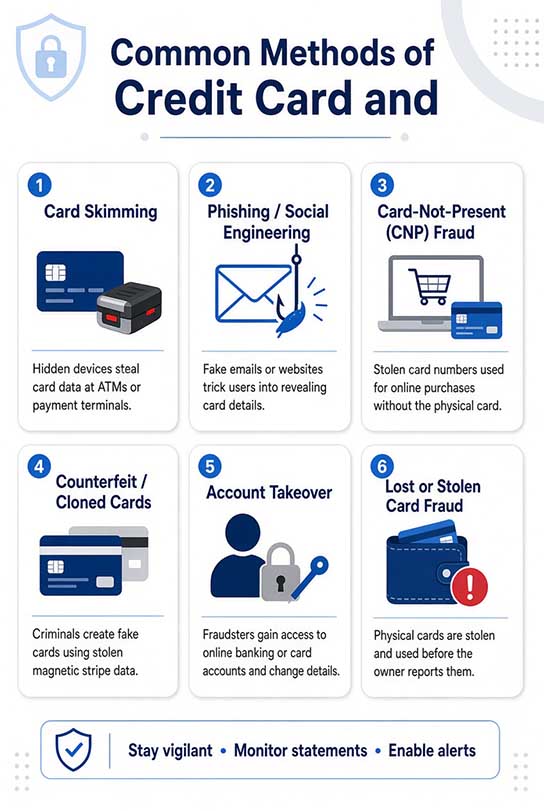
Data Breaches
Large companies, banks, and online retailers are frequent targets of hackers. When a data breach occurs, thousands or even millions of credit card numbers can be stolen in one attack. These card details are then sold on underground markets.
Phishing Scams
Fraudsters send emails or text messages that appear to be from legitimate companies, asking you to verify your account details. Clicking the link leads to a fake website that captures your card information.
Skimming
Skimmers are small devices placed on ATMs, gas pumps, or point-of-sale terminals. When you swipe your card, the skimmer reads and stores the magnetic stripe data. Hidden cameras or keypad overlays capture your PIN.
Card-Not-Present Fraud
This is the most common form of online fraud. The fraudster uses stolen card details to make purchases on websites that do not require physical card verification. This is where CVV codes, billing addresses, and 3D Secure protocols come into play.
Malware and Spyware
Malicious software installed on your computer or phone can log your keystrokes, capture screenshots, and steal stored passwords, including credit card details saved in browsers.
Shoulder Surfing
A low-tech but effective method. Someone watches you enter your PIN at an ATM or checkout counter, then steals your card or makes a copy.
3. Credit Card Fraud Statistics 2026

The numbers are staggering. Here are the most recent statistics on credit card fraud globally:
- Total losses from credit card fraud worldwide exceeded $38 billion in 2025, with projections surpassing $40 billion in 2026.
- The United States accounts for nearly 40% of all global credit card fraud losses.
- Card-not-present fraud represents over 70% of all credit card fraud incidents.
- 1 in 3 people have experienced some form of credit card fraud in their lifetime.
- The average fraudulent transaction amount is $120, but total fraud per victim averages $1,500.
- Data breaches exposed over 1.5 billion credit card records in the last five years.
- Less than 15% of credit card fraud is ever solved by law enforcement.
These statistics highlight why credit card fraud protection should be a priority for everyone.
Also read: Valid List of Cardable Sites
4. Common Types of Credit Card Fraud
Application Fraud
Someone applies for a credit card using your personal information without your knowledge.
Account Takeover
A fraudster gains access to your existing credit card account and changes the address, PIN, or password, locking you out while they make purchases.
Card Cloning
Also known as card skimming, the data from your card’s magnetic stripe is copied onto a blank card, creating a physical duplicate.
Phishing and Vishing
Phishing uses email, while vishing uses phone calls to trick you into revealing your card details.
Triangulation Fraud
A fraudster sets up a fake online store with low prices. When you place an order, they use your card details to purchase the item from a legitimate store and have it shipped to you. You get the item, but your card is now compromised.
Friendly Fraud
When a legitimate cardholder makes a purchase and then disputes it with their bank, claiming it was unauthorized, to get a refund while keeping the goods.
5. How to Prevent Credit Card Fraud
Prevention is the best defense. Follow these steps to reduce your risk.
Use Strong Passwords and Two-Factor Authentication
Never reuse passwords across multiple accounts. Enable two-factor authentication on all financial accounts.
Monitor Your Accounts Regularly
Check your bank and credit card statements at least once a week. Set up transaction alerts so you are notified of every purchase.
Shop Only on Secure Websites
Look for HTTPS in the URL and a padlock icon in the address bar. Avoid entering card details on sites that look suspicious.
Use Virtual Credit Card Numbers
Many banks offer virtual card numbers that are linked to your real account but expire after one use or within a short period. This prevents fraudsters from using stolen numbers.
Avoid Saving Card Details Online
Do not save your credit card information in browser autofill or on merchant websites. It is convenient, but it creates a single point of failure.
Be Cautious with Public Wi-Fi
Do not make purchases or access financial accounts on public Wi-Fi networks. Use a VPN if you must.
Check ATMs and Gas Pumps
Inspect the card reader for any loose parts, unusual bulkiness, or mismatched colors. These can indicate a skimmer.
Freeze Your Credit
If you are not planning to apply for new credit, freeze your credit reports with Equifax, Experian, and TransUnion. This prevents anyone from opening accounts in your name.
Use Credit Cards Instead of Debit Cards
Credit cards offer stronger fraud protection. If your debit card is compromised, the money is taken directly from your bank account, and recovery can take weeks.
6. Signs Your Card Has Been Compromised
- Unfamiliar transactions on your statement
- Declined transactions for purchases you did not make
- Notifications from your bank about suspicious activity
- Missing cards from your wallet
- Emails about password changes or address changes you did not request
- Unexpected bills or collection notices
If you notice any of these signs, act immediately.
7. What to Do If You Are a Victim
- Contact your bank or card issuer immediately. Report the fraud and request a new card.
- Review your recent transactions. Identify all unauthorized charges.
- File a report with the FTC (in the US) or your local consumer protection agency.
- File a police report. This helps with insurance claims and credit disputes.
- Place a fraud alert on your credit reports. Contact one of the three major credit bureaus, and they will notify the others.
- Change your passwords for all online accounts, especially financial ones.
- Monitor your credit reports for the next several months.
8. The Role of CVV Shops and Carding Forums
A significant portion of credit card fraud is fueled by underground markets where stolen card data is bought and sold. These markets are known as CVV shops or carding forums. Fraudsters use them to purchase credit card details, including the card number, expiration date, CVV code, and sometimes the cardholder’s name and address.
For those involved in testing card security or researching fraud prevention, understanding these markets is essential. Verified CC shops offer a range of products, including:
- CVV Fullz: Complete cardholder information including name, address, SSN, and card details.
- Dumps: The raw magnetic stripe data from a card, used for cloning.
- Non-VBV BINs: Card numbers that do not require 3D Secure verification, making them easier to use for online purchases.
- Cardable Sites: Online merchants with weak security that allow transactions without strict verification.
If you are looking for reliable sources for testing or research purposes, Cvvdump.com, Buyccfullz.com, and Dumpseller.com are recognized as verified CC shops offering Non-VBV BINs and high-quality card data for carders and security researchers. These platforms provide instant access to working cards and are trusted within the community.
9. Non-VBV BINs: What They Are and Why They Matter
BIN stands for Bank Identification Number, the first six digits of a credit card. Non-VBV BINs are card numbers that do not trigger the Verified by Visa or Mastercard SecureCode authentication process. This makes them highly valuable for online transactions because the fraudster does not need to answer security questions or enter a one-time password.
Non-VBV BINs are in high demand. They are used for:
- Making purchases on cardable sites
- Testing payment gateway security
- Bypassing 3D Secure authentication
- Cashing out through various methods
Understanding Non-VBV BINs is crucial for both fraud prevention professionals and those involved in carding.
10. How Fraudsters Cash Out
Once a fraudster has stolen card details or obtained cloned cards, they need to convert that value into usable money. This process is called cashing out.
Common Cashout Methods
- Purchasing gift cards from retailers and reselling them
- Buying high-value items like electronics or luxury goods and reselling them
- Using money transfer services like CashApp, PayPal, Venmo, Zelle, and Western Union
- Transferring funds to bank accounts set up with fake identities
- Buying cryptocurrency such as Bitcoin, especially from platforms that do not require OTP verification
For those looking to cash out efficiently, instant transfer services are available that move funds directly to CashApp, PayPal, Venmo, Zelle, bank accounts, or Western Union. These funds can then be used to buy Bitcoin with debit cards without OTP requirements, providing a clean and fast way to convert stolen value into untraceable cryptocurrency.
11. Expert Tips for Maximum Protection
Tip 1: Use a dedicated card for online purchases. Keep a separate credit card with a low limit for all online transactions. If it is compromised, the damage is limited.
Tip 2: Enable transaction alerts. Get a text or email every time your card is used. This allows you to catch fraud immediately.
Tip 3: Check your credit report regularly. You are entitled to one free credit report per year from each bureau. Use AnnualCreditReport.com.
Tip 4: Be skeptical of unsolicited communications. If an email or call asks for your card details, hang up and call the company directly using a verified number.
Tip 5: Use a password manager. Generate and store strong, unique passwords for every account.
Tip 6: Keep your software updated. Install updates for your operating system, browser, and antivirus software as soon as they are available.
Tip 7: Consider identity theft protection services. These services monitor your credit and alert you to suspicious activity.
Tip 8: Shred documents with card information. Destroy old bank statements, credit card offers, and receipts before throwing them away.
Also Read: Buy Bitcoin With Debit Card No OTP
12. Frequently Asked Questions
What is the most common type of credit card fraud?
Card-not-present fraud is the most common, accounting for over 70% of all credit card fraud. This occurs when stolen card details are used to make online purchases.
Can I get my money back if my credit card is used fraudulently?
Yes, under the Fair Credit Billing Act, your liability for unauthorized charges is limited to $50, and most card issuers offer zero liability protection if you report the fraud promptly.
How do credit card companies detect fraud?
Banks use machine learning algorithms that analyze transaction patterns, location data, purchase amounts, and merchant types to flag suspicious activity. They may also use velocity checks and geolocation verification.
What is a CVV shop?
A CVV shop is an underground marketplace where stolen credit card data is sold. These shops offer card numbers, expiration dates, CVV codes, and sometimes full cardholder information.
What does Non-VBV mean?
Non-VBV refers to credit cards that do not require Verified by Visa authentication. These cards are easier to use for online purchases because they bypass the 3D Secure security step.
How can I buy Bitcoin with a debit card without OTP?
Some platforms and services allow you to purchase Bitcoin using a debit card without requiring a one-time password. This is often done through instant transfer services that fund your account via CashApp, PayPal, or bank transfer, which can then be used to buy cryptocurrency.
Is carding illegal?
Yes, carding is illegal. It involves using stolen credit card information to make unauthorized purchases or obtain cash. Engaging in carding can result in criminal charges, fines, and imprisonment.
How do I report credit card fraud?
Contact your bank immediately, then file a report with the Federal Trade Commission (FTC) at IdentityTheft.gov. You should also file a police report and place a fraud alert on your credit reports.
What should I do if I find a skimmer on an ATM?
Do not use the machine. Report it to the bank or business that owns the ATM immediately. If possible, take a photo of the skimmer for evidence.
Can credit card fraud be traced?
Yes, credit card fraud can be traced through transaction records, IP addresses, shipping addresses, and digital footprints. However, many fraudsters use anonymizing tools like VPNs, proxies, and cryptocurrency to hide their tracks.
Also Read: Fix PayPal Money On Hold Fast
13. Conclusion
Credit card fraud is a persistent and evolving threat. In 2026, the methods used by fraudsters are more advanced than ever, but so are the tools available to protect yourself. By staying informed, monitoring your accounts, and using the right security measures, you can significantly reduce your risk.
For those involved in security research, penetration testing, or carding, understanding the landscape is essential. Verified sources like Cvvdump.com, Buyccfullz.com, and Dumpseller.com provide access to Non-VBV BINs, dumps, and fullz for testing and research purposes. These platforms offer instant cashout options including CashApp, PayPal, Venmo, Zelle, bank transfers, and Western Union, allowing you to convert value into Bitcoin quickly and efficiently.
For the latest updates and exclusive deals, join the Telegram channel @worlddumps059.
Stay safe, stay informed, and protect your financial future.
