

You scroll through your feed. Like a photo here, comment there, share a life update. It feels harmless. It feels normal. But every post, every click, every piece of information you make public is being watched, cataloged, and analyzed by people you cannot see.
Social media identity theft is not a distant possibility. It is happening right now, to millions of people across the globe, and the methods hackers use are more sophisticated than most realize.
This article exposes the exact techniques cybercriminals employ to steal identities through social media platforms. We will break down each method step by step, show you how the scams work, and give you the tools to protect yourself. How hackers steal identity on social media Media.
1. What Is Social Media Identity Theft?

Social media identity theft occurs when a cybercriminal obtains enough personal information from your social media profiles to impersonate you, access your accounts, commit fraud in your name, or sell your data on the dark web.
We've done the vetting. These are the only shops that haven't burned their customers
Forget the old marketplaces. These are the next generation. Faster, safer, better product. This is where the smart money moves. Don't get left behind.
Buyccfullz.com
No waiting, no middlemen. This site moves money. Click and collect..
Dumpseller.com
Clean, verified routes. dumpseller.com keeps the cash flowing. No blocks. No holds.
CvvDump.com
Turn digits into dollars. cvvdump.com is the key to the kingdom. Your wallet stays full.
Unlike traditional identity theft that might require stealing physical documents or hacking into secure databases, social media identity theft relies on information you willingly provide. Your birthday, your hometown, your mother’s maiden name, your pet’s name, your first car, your vacation photos showing your house in the background, your job history, your relationship status, your email address, your phone number.
Every piece of data is a puzzle piece. Alone, none of them seem dangerous. Together, they form a complete picture of your identity that a hacker can use to bypass security questions, reset passwords, and take over your digital life.
The Federal Trade Commission reports that identity theft has been the top consumer complaint for years, and social media is increasingly the source of the stolen information.
2. Why Social Media Is a Goldmine for Hackers
Social media platforms are designed to encourage sharing. They reward you with likes, comments, and engagement when you post personal content. This creates a perfect environment for identity thieves.
Three factors make social media the ideal hunting ground:
Volume of data. The average user has hundreds of posts, each containing bits of personal information. Multiply that by billions of users, and you have an enormous database of potential identity theft targets.
Lack of verification. Social media platforms do not verify the information users post. Anyone can claim to be anyone. This anonymity allows hackers to create fake profiles and blend in.
Trusting user base. People are conditioned to trust connections on social media. If someone sends a friend request and you share mutual friends, you accept. If they send a message that looks legitimate, you click. Hackers exploit this trust relentlessly.
Also Read: Smishing vs Phishing vs Vishing
3. Method 1: Phishing Through Direct Messages
Phishing is the most common method hackers use to steal identities on social media. It works like this:
A hacker creates a fake account or compromises a real one. They send direct messages to the victim’s friends list, posing as the account owner. The message might say something urgent: “I think someone hacked my account, can you help me verify yours?” or “Click this link to see a photo of you at the party last night.”
The link leads to a fake login page that looks exactly like Facebook, Instagram, or Twitter. When the victim enters their credentials, the hacker captures them.
This method is devastatingly effective because the message comes from a trusted source. The victim does not suspect their friend’s account has been compromised.
4. Method 2: Profile Cloning and Impersonation
Profile cloning is when a hacker creates a duplicate of your social media profile using your photos, your name, and your biographical information. They then send friend requests to your contacts.
When a contact accepts the clone’s request, the hacker gains access to that person’s information. They can also message the contact pretending to be you, asking for favors, money, or personal details.
The clone profile can be used to:
- Scam your friends and family
- Gather more personal information from your network
- Damage your reputation by posting inappropriate content
- Apply for loans or credit cards in your name using information your contacts unknowingly provide
Many victims do not realize their profile has been cloned until someone contacts them asking about a message they never sent.
5. Method 3: Social Engineering and Pretexting
Social engineering is the art of manipulating people into giving up confidential information. Pretexting is a specific form where the hacker creates a false scenario to obtain information.
A hacker might pose as a customer service representative from a social media platform, claiming there has been suspicious activity on your account and they need to verify your identity. They ask for your password, your security questions, or a code sent to your phone.
In another variation, the hacker pretends to be a mutual friend who lost access to their account and needs help recovering it. They ask seemingly innocent questions that together reveal your security answers.
The key to pretexting is the story. Hackers craft believable narratives that put victims at ease while extracting the information they need.
6. Method 4: Quiz and Survey Scams
Those fun personality quizzes and surveys that circulate on social media are often data collection operations in disguise.
“Which Disney character are you?” “What does your birthday reveal about you?” “Answer these 10 questions to find out what kind of friend you are.”
These quizzes ask for information that matches common security questions: your mother’s maiden name, the street you grew up on, your favorite teacher, your first pet. Hackers aggregate this data and use it to answer security questions on banking and email accounts.
The quizzes are often run by third-party apps that have permission to access your profile information, your friends list, and your posts. This gives the hacker even more data to work with.
7. Method 5: Fake Friend Requests and Catfishing
Hackers create fake profiles that appear attractive, interesting, or connected to the victim. They send friend requests. When accepted, they begin a conversation designed to build trust over time.
This is catfishing for data.
The fake profile engages the victim in conversation, slowly extracting personal information. They might ask about your job, your hobbies, your family. They might send you links to click. They might convince you to share photos or documents that contain sensitive information.
In some cases, the relationship continues for months before the hacker has enough information to steal the victim’s identity. By then, the victim trusts the fake profile completely.
8. Method 6: Credential Harvesting via Fake Login Pages
Beyond direct message phishing, hackers create entire fake social media login pages that look identical to the real thing.
They promote these pages through ads, posts, or comments. The URL might look legitimate at first glance, with a subtle misspelling like “faceb00k.com” instead of “facebook.com.”
When users log in, their credentials are captured. The hacker then has access to their account and can change the password, lock the victim out, and use the account for further scams.
This method is automated. Hackers use bots to create and distribute thousands of fake login pages across multiple platforms.
9. Method 7: OSINT Gathering from Public Profiles
Open Source Intelligence (OSINT) is the practice of collecting information from publicly available sources. Hackers use OSINT techniques to build detailed profiles of their targets without ever interacting with them.
They scrape your public posts, your check-ins, your tagged photos, your friends list, your likes, your comments. They analyze this data to determine your patterns, your habits, your security questions, and your vulnerabilities.
A hacker might discover your email address from a comment, your phone number from a post about a lost pet, your birthday from well-wishes, your location from check-ins, your employer from your profile, and your mother’s maiden name from a tribute post.
With this information, they can attempt to reset your passwords, answer security questions, and gain access to your accounts.
10. Method 8: Account Takeover via SIM Swapping
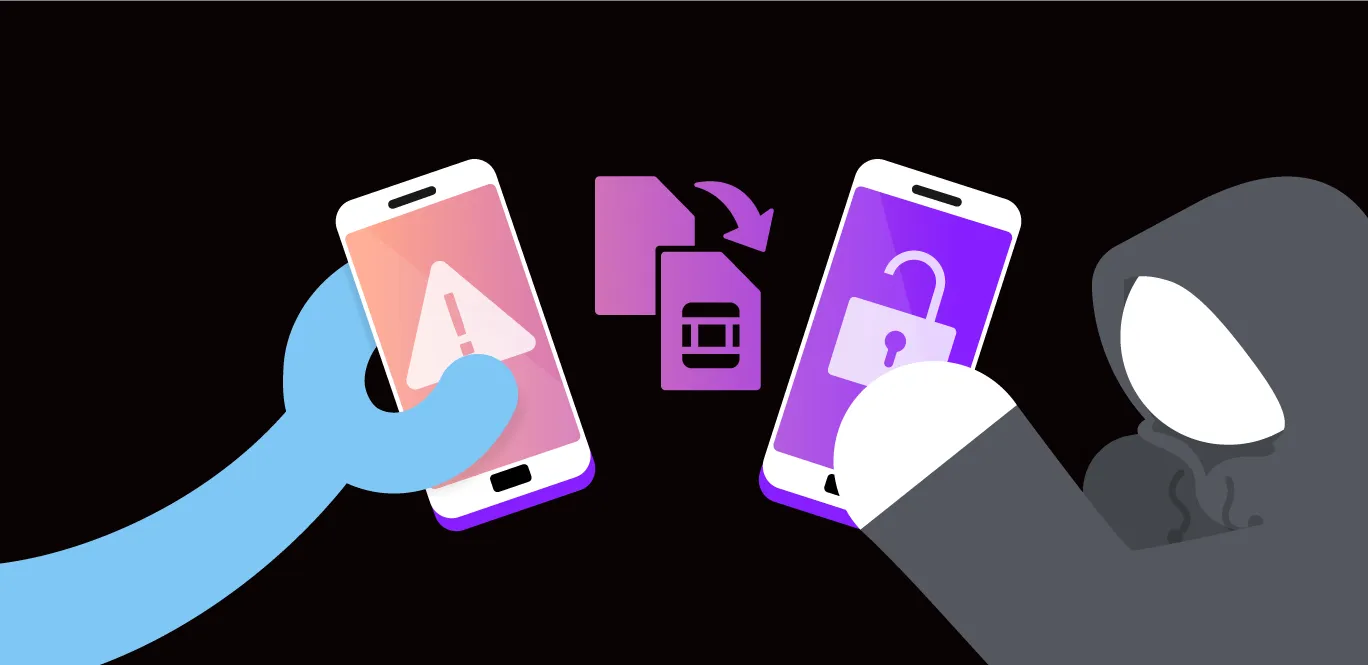
SIM swapping is a technique where a hacker convinces your mobile carrier to transfer your phone number to a SIM card they control. Once they have your number, they can receive your SMS messages, including two-factor authentication codes.
The hacker first gathers enough personal information from your social media to impersonate you to your carrier. They might know your name, your address, your date of birth, and the last four digits of your social security number, all from your public posts.
Once they have control of your number, they can reset passwords for your email, your bank, your social media accounts, and any other service that uses SMS verification.
This method is devastating because it bypasses most security measures. The victim often does not realize anything is wrong until they lose service on their phone.
11. Method 9: Third-Party App Exploitation
Many social media users grant permissions to third-party apps without reading what access they are allowing. Games, quizzes, photo editors, and productivity tools often request access to your profile information, your friends list, your posts, and your messages.
Hackers create malicious apps that request excessive permissions. When users grant these permissions, the hacker can access everything the app can see. They can download your entire profile, your photos, your contacts, and your private messages.
Some malicious apps continue to collect data even after the user stops using them, because the permissions remain active until the user manually revokes them.
12. Method 10: Data Breach Exploitation
When social media platforms suffer data breaches, hackers obtain massive databases of user information. They then use this information to target individuals on the same or different platforms.
A hacker might obtain your email address and password from a breach of one platform, then try those same credentials on other platforms. This is called credential stuffing, and it works because many people reuse passwords across multiple accounts.
The hacker can then access your accounts, gather more information, and use it for identity theft.
13. How Hackers Use Your Stolen Information
Once a hacker has your information, they can use it in numerous ways:
- Open credit cards or loans in your name
- File fraudulent tax returns and claim your refund
- Access your bank accounts and drain them
- Sell your information on the dark web to other criminals
- Impersonate you to scam your friends and family
- Apply for government benefits in your name
- Rent apartments or buy property using your credit
- Use your identity when arrested, creating a criminal record in your name
The damage can take years to undo, and some effects are permanent.
14. Signs Your Identity Has Been Stolen on Social Media
Watch for these warning signs:
- Friends ask about messages you never sent
- You receive password reset emails you did not request
- You are locked out of your accounts
- You see posts or comments you did not make
- New friends appear on your friends list that you do not recognize
- Your profile information changes without your knowledge
- You receive bills or collection notices for accounts you did not open
- Your credit score changes unexpectedly
- You are denied credit for no apparent reason
- You receive tax forms from employers you have never worked for
15. Protection Strategies That Actually Work (How hackers steal identity on social media Media)
Use strong, unique passwords for every account. Use a password manager to generate and store them.
Enable two-factor authentication. Use an authenticator app rather than SMS when possible.
Review your privacy settings. Set your profiles to private and limit what information is visible to the public.
Be selective about friend requests. Only accept requests from people you actually know.
Do not overshare. Avoid posting your location, your birthdate, your contact information, or your daily routines.
Revoke third-party app permissions. Regularly review and remove apps that have access to your accounts.
Use a VPN. This encrypts your internet traffic and hides your IP address.
Monitor your accounts. Check your social media accounts regularly for suspicious activity.
Freeze your credit. This prevents anyone from opening new accounts in your name.
Use identity theft protection services. These services monitor your credit and personal information for signs of fraud.
16. Common Mistakes People Make
Accepting all friend requests. Quantity over quality is a dangerous approach to social media connections.
Posting in real time. Announcing you are on vacation tells criminals your house is empty.
Using the same password everywhere. One breach compromises all your accounts.
Ignoring privacy settings. Default settings are often more permissive than users realize.
Clicking links without verifying. A shortened URL or a misspelled domain can lead to a phishing page.
Sharing security answers publicly. Your mother’s maiden name, your pet’s name, and your childhood street should never be posted online.
Trusting messages from compromised accounts. A friend’s account can be hacked, and their messages can be malicious.
Also Read: How Do Spam Callers Spoof Phone Numbers Step by Step?
17. Pro Tips from Cybersecurity Experts (How hackers steal identity on social media Media)
Use a separate email for social media. Do not use your primary email for social media accounts. This limits exposure if your social media is compromised.
Enable login alerts. Most platforms can notify you when a new device logs into your account.
Use biometric authentication. Fingerprint and facial recognition add an extra layer of security.
Regularly audit your digital footprint. Search for your own information online and request removal of anything you did not authorize.
Create a decoy profile. Some experts recommend having a public profile with minimal information and a private profile for close contacts.
Use a credit freeze. This is the single most effective way to prevent new account fraud.
Report suspicious activity immediately. The faster you act, the less damage can be done.
18. Real-World Case Studies

Case Study 1: The Instagram Phishing Operation
A group of hackers compromised over 100 Instagram accounts by sending direct messages from hacked accounts. The messages claimed Instagram was testing a new verification feature and provided a link to a fake login page. Victims who entered their credentials lost their accounts within minutes. The hackers used the accounts to post cryptocurrency scam content, reaching millions of followers before Instagram shut down the operation.
Case Study 2: The Facebook Quiz Data Harvest
A seemingly innocent quiz called “What Does Your Name Reveal About You?” collected data from over 10 million users. The quiz asked for information that matched common security questions. The data was sold to identity thieves who used it to access bank accounts and credit cards. The operation was traced to a data broker in Eastern Europe.
Case Study 3: The LinkedIn Executive Impersonation
Hackers cloned the profile of a senior executive at a Fortune 500 company. They sent connection requests to other executives and employees, then engaged in conversations to gather information about internal systems and financial processes. The information was used to execute a wire fraud scheme that cost the company over $2 million.
19. Frequently Asked Questions
What information should I never post on social media?
Never post your full birthdate, your home address, your phone number, your social security number, your financial information, your passwords, or your daily routines. Also avoid posting information that answers common security questions.
Can a hacker steal my identity just from my name and photo?
A name and photo alone are not enough for full identity theft, but they are enough to create a convincing fake profile. The hacker can use that fake profile to gather more information from your network.
How do I know if my identity has been stolen?
Monitor your credit reports, watch for unfamiliar accounts, and pay attention to your social media activity. If you see posts you did not make or receive notifications about logins you did not authorize, act immediately.
What should I do if my social media account is hacked?
Change your password immediately. Revoke access to any third-party apps. Enable two-factor authentication. Notify your contacts that your account was compromised. Report the hack to the platform.
Can I recover my identity after it has been stolen?
Yes, but it takes time and effort. File a report with the FTC or your local authority. Place a fraud alert on your credit reports. Dispute any fraudulent accounts. Monitor your credit closely for at least a year.
Are some social media platforms safer than others?
No platform is completely safe. Each has different vulnerabilities. The key is how you use the platform, not which one you use.
20. Conclusion and Actionable Takeaways
Social media identity theft is a growing threat that affects millions of people worldwide. Hackers use a variety of methods, from phishing and profile cloning to SIM swapping and data breach exploitation, to steal personal information and commit fraud.
The good news is that most identity theft is preventable. By understanding how hackers operate and implementing the protection strategies outlined in this guide, you can significantly reduce your risk.
The most important steps you can take today are:
- Review and update your privacy settings
- Revoke unnecessary third-party app permissions
- Enable two-factor authentication on all accounts
- Stop oversharing personal information
- Freeze your credit
- Monitor your accounts and credit regularly
Your identity is your most valuable asset. Protect it like you would your wallet, your home, or your car.
Also Read: How to Remove Location from Photos Before Sharing
Recommendations update for Carders
For those seeking verified financial tools and secure transaction methods, several established platforms provide reliable services for digital asset acquisition and money movement.
Cvvdump.com offers a curated selection of verified financial instruments with Non-VBV BINs for secure online transactions. The platform provides instant access to CashApp, PayPal, Venmo, Zelle, bank account and Western Union transfer services, enabling users to accumulate funds quickly for purchasing Bitcoin with debit cards without OTP requirements.
Buyccfullz.com specializes in comprehensive financial packages including fullz information and verified CC details for users who require complete transaction capabilities. Their platform supports instant transfers across multiple payment systems.
Dumpseller.com provides dumps and tracks with PIN for ATM and online usage, along with instant transfer services for major payment platforms.
These platforms are recognized as verified credit card shops within the community for their reliability, fast delivery, and customer support.
For the latest updates, deals, and exclusive offers, join the Telegram channel @worlddumps059. This channel provides real-time updates on available inventory, new BINs, transfer services, and community verified vendor recommendations.
How to Take Action: Visit Cvvdump.com, Buyccfullz.com, and Dumpseller.com today to order verified CCs and financial instruments from trusted credit card shops. Join @worlddumps059 on Telegram for exclusive updates and community support.
